Why Skin Gets Crepey After 50 — The Science Behind the Change


By 50, most women have already noticed it: skin that looks a little thinner, catches light differently, and no longer bounces back the way it once did. The neck, the chest, the upper arms — areas where skin is thinnest to begin with — show the change first. The word for it is crepey, and it describes texture that has turned fine, papery, and loose.
Moisturizers offer temporary relief — the skin looks better for a few hours, then settles back. That pattern tells you something important: this is not a surface problem. It's structural, and the structure being affected is the dermis, the layer creams don't reach.
What changes in the dermis after 50
The dermis is where skin's mechanical properties live. It's made up of a dense mesh of collagen fibers providing thickness and tensile strength, elastin fibers allowing recoil, and hyaluronic acid binding water between them. In young skin, this architecture is dense and tightly organized. Crepey skin is what a thinning, disorganized dermis looks like from above.
Collagen production declines gradually from the mid-twenties — by roughly one percent per year according to commonly cited dermatology estimates. That pace is slow enough to be invisible for two decades. What makes the fifties feel sudden is that a second change arrives on top of the first.
Estrogen supports collagen density and skin thickness. As estrogen declines through the perimenopausal years, dermal collagen loss accelerates significantly — the two curves overlap, which is why the change can feel like it happened overnight.
Research on perimenopausal skin changes has found that a substantial share of total skin collagen can be lost in the years immediately surrounding the transition. Combined with decades of cumulative UV exposure — which crosslinks and degrades existing collagen fibers — the structural reserves of the dermis become measurably depleted.
Why your body still has the ability to produce collagen — but needs support
Here is where most explanations stop short. The fibroblasts responsible for making collagen don't shut down at 50. Collagen synthesis is a biochemical assembly line, and like any assembly line it requires more than raw material — it requires the cofactors that drive the enzymes doing the work.
Two are particularly relevant:
- Vitamin C is a required cofactor for prolyl and lysyl hydroxylase — the enzymes that give a collagen molecule its stable triple-helix structure. Without adequate vitamin C, collagen is produced in a structurally weak form. This is not a supplement claim; it is the underlying biochemistry of why scurvy destroys connective tissue.
- Copper is essential for lysyl oxidase, the enzyme that cross-links newly synthesized collagen and elastin fibers into a strong, resilient network. Without it, the fibers are made but never properly organized.
Other micronutrients — including zinc and certain plant-derived antioxidants — support the ongoing repair processes in the dermis and help protect the structural proteins already present from oxidative degradation.
The limits of topical products
The most common response to crepey skin is to apply more to its surface. The ceiling on this approach is set by basic physiology: large molecules like collagen fragments and many antioxidants cannot penetrate past the stratum corneum. The active ingredients in even expensive topicals largely stay in the epidermis, not the dermis where the structural problem lives.
This is why dermatologists increasingly point toward nutritional strategies that support the dermis from the inside — providing the cofactors that fibroblasts need to function at their best, rather than trying to deposit material through skin that evolved to keep the outside world out.
What we suggest looking into
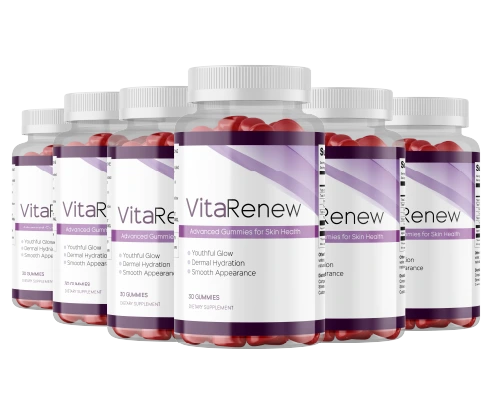
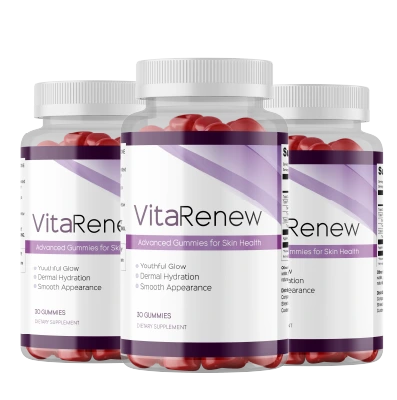
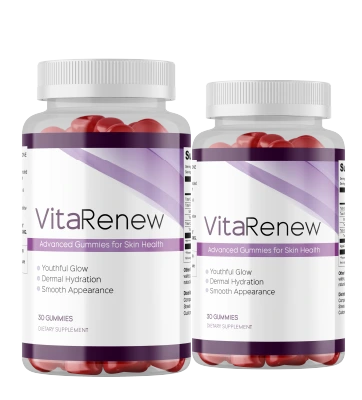
VitaRenew is a daily collagen-support gummy formulated specifically for women 40 and over. Rather than delivering isolated collagen — which faces the same bioavailability limits as topical products — it provides the micronutrients that support the body's own collagen-synthesis pathways:
- Vitamin C & copper — the two cofactors most directly linked to collagen production and cross-linking in the dermis
- Zinc & supporting nutrients — for ongoing skin integrity and repair
- Easy daily format — a gummy, not a capsule, with no additional steps in your routine
It is a supplement, not a medical treatment, and it won't reverse any underlying condition. But as a way to support the nutritional environment that collagen synthesis depends on, it's a rational approach for women who want to do more than moisturize.
What women report
"I started paying closer attention to my nutrition after reading about collagen cofactors. Within about six weeks I genuinely noticed less of that crepe texture on my upper arms. Not gone, but meaningfully better."
"The neck area was what bothered me most. I'd tried everything topical. I was skeptical of a supplement but the science made sense to me. Two months in I think my skin looks firmer."
These statements reflect individual experiences. Results are not typical and will vary from person to person.
The takeaway
Crepey skin after 50 is not simply the result of dryness or neglect — it reflects structural changes in the dermis driven by declining estrogen, cumulative UV exposure, and the gradual depletion of collagen production. Surface treatments address the symptoms but not the underlying biology. Supporting the nutritional environment that collagen synthesis depends on — specifically the cofactors that drive the key enzymes — represents a more structurally coherent approach. VitaRenew was built around that logic.