Why you look older in photos than you do in the mirror


Everyone has a version of this. Someone posts the photo. You look at it for slightly too long. And the small, unwelcome thought arrives: is that what I look like?
Part of the gap is genuinely optical. A mirror shows you a flipped image you have looked at your whole life, usually in soft overhead light, usually with your face arranged the way you arrange it. A camera catches an unflipped face, at an angle you never see, often in flat direct light, in a fraction of a second you did not choose.
But part of it is not optical, and this is the part worth understanding. Flat light removes the gentle shadows a bathroom mirror provides. What is left is a fairly honest read of how firmly your skin is sitting over the structure underneath — along the jaw, under the eyes, across the cheek. Skin with good support reflects light smoothly. Skin that has lost support scatters it.
The camera is not lying to you. It is just refusing to be as flattering as the mirror.
The part almost nobody explains
Skin gets its firmness from collagen — the protein scaffolding under the surface. From our mid-twenties we lose roughly 1% of it a year, and the rate picks up for women through their forties. Less scaffolding means skin that sits differently: it creases sooner, settles lower, and takes longer to spring back.
Here is the part that gets skipped. Your body does not build collagen out of collagen. It builds it out of amino acids, using enzymes that only work when specific cofactors are present. Vitamin C is the best documented of them — the enzymes that stabilise a collagen strand cannot complete the job without it. Zinc and copper play supporting structural roles.
Which is why so many people take collagen and feel like nothing happened. It is not that the idea was wrong. It is that the raw material arrived without the tools that turn it into structure.
What the research actually supports
- Sun protection, daily. Nothing else you do matters as much.
- Enough protein — collagen is built from what you eat.
- Sleep and blood sugar stability, both of which affect repair.
- The cofactors above, if your diet is short on them.
None of this is dramatic. All of it is boring and well established, which is usually the sign that something is real.
Referenced in this article
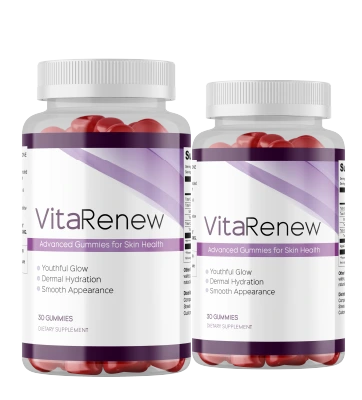
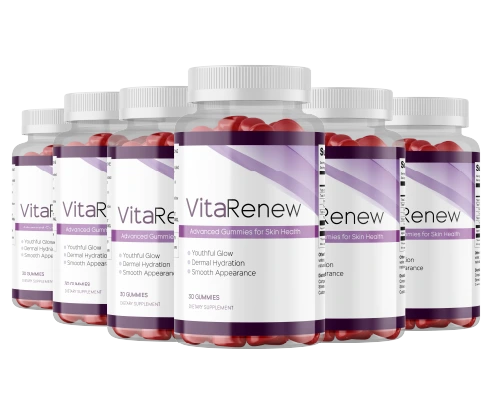
VitaRenew
The cofactors your skin's repair process actually runs on — vitamin C, zinc and copper, in one daily gummy.
For the next group photo you do not immediately want deleted.
60-day money-back guarantee · One-time purchase, no subscriptionA realistic timeline
The outer layer of skin turns over every four to six weeks, so surface texture shifts first. The dermis is slower — collagen remodelling is measured in months. Most controlled studies of skin-directed supplements report their outcomes at eight to twelve weeks for exactly that reason.
So give anything you try a full three months, take an honest photograph in the same light on day one, and expect gradual rather than dramatic. Individual results vary, and no supplement replaces sun protection, sleep or a decent diet.
The bottom line
The gap between mirror and camera is partly optics and partly a real read of how well skin is supported underneath. You cannot do much about the optics. The support is a slower, less exciting project — sun protection, protein, sleep, and the cofactors your body needs to build collagen at all. Expect months, not weeks, and check any sudden change with your doctor.
What people report
"I used to hand my phone to someone else so I would not be in the picture. I have stopped doing that."
"Nothing dramatic. My skin just photographs a bit more evenly than it did, and that was the whole thing I wanted."
These statements reflect individual experiences. Results are not typical and will vary from person to person.